Introduction
Varicose veins are not just a cosmetic concern; they can symbolize underlying health problems that require attention. With improvements in medical technology, varicose vein removal has actually ended up being more available than ever. Comprehending what to anticipate before, throughout, and after your procedure is important for anyone considering treatment. This guide aims to equip you with extensive knowledge about varicose vein elimination processes, care choices, and recovery.
Varicose Vein Removal: What to Expect Before, During, and After Your Procedure
Understanding Varicose Veins
Varicose veins take place when veins become enlarged or swollen due to malfunctioning valves. Frequently appearing as blue or dark purple bulges on the legs, they can result in discomfort or more extreme issues if left without treatment. Seeking assessment from a vein doctor at a trustworthy vein treatment center is the first step toward much healthier veins.
The Importance of Vein Care
Maintaining excellent vein health exceeds looks; it impacts overall wellness. Correct vein care can prevent more complications connected with varicose veins, including blood clots or chronic venous insufficiency.
Consultation with a Vein Care Specialist
Before any treatment, it's crucial to consult with a vein care specialist Throughout this initial appointment:
- You'll discuss your symptoms. A physical examination will be conducted. Diagnostic tests like ultrasound may be performed.
This extensive assessment helps determine the very best course of action tailored to your needs.
Choosing the Right Vein Treatment Center
Finding a Regional Veins Clinic
When searching for a suitable center for your treatment, think about searching for terms like " veins doctor near me" or " advanced vein procedures" A regional clinic guarantees benefit and access to follow-up care.
Evaluating Qualifications and Experience
Ensure that the vein center is staffed by qualified professionals experienced in vascular surgical treatment. Try to find certifications and patient reviews that show their expertise in managing conditions associated with varicose veins.
https://rentry.co/h3syca9pTypes of Varicose Vein Elimination Procedures
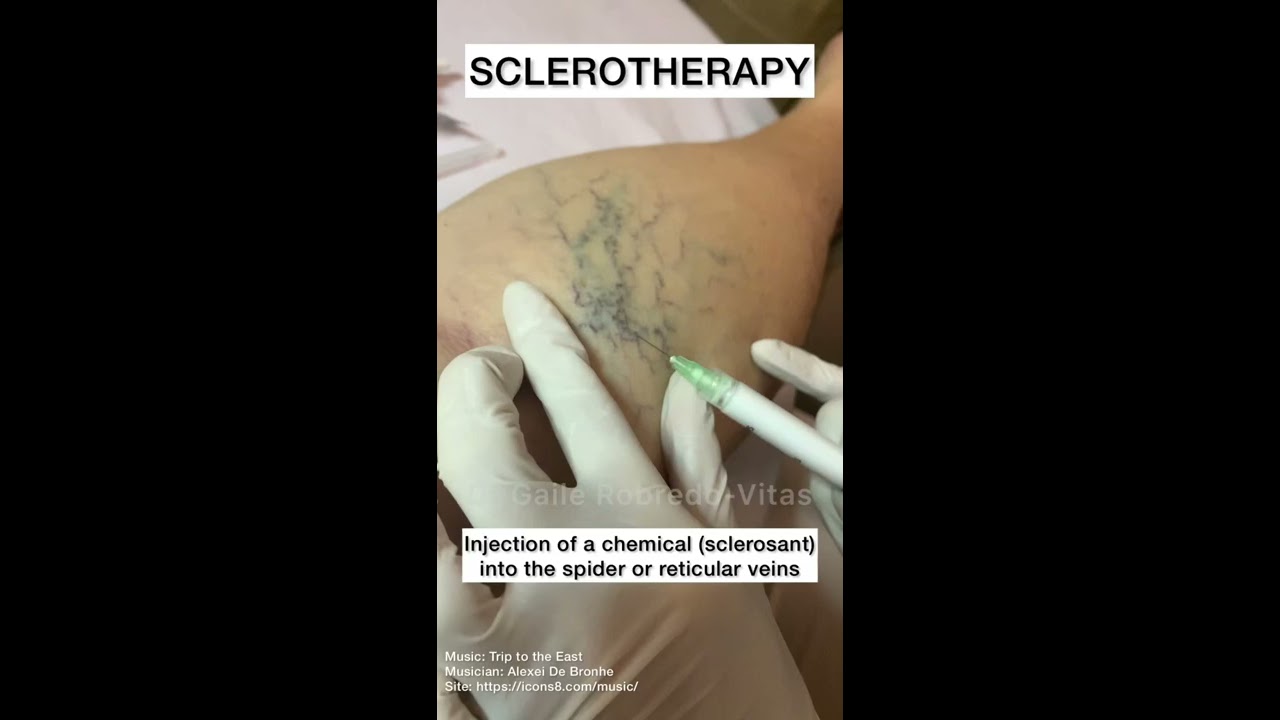
Sclerotherapy: A Non-Surgical Approach
Sclerotherapy includes injecting a service into the affected veins, causing them to collapse and fade in time. It's normally recommended for smaller varicose veins and spider veins.
Laser Treatments: Advanced Technology
Laser treatment uses focused light energy to target specific areas of the vein without harming surrounding tissue. This approach is less invasive and often requires minimal downtime.

Endovenous Laser Treatment (EVLT)
EVLT is a minimally intrusive procedure where laser energy is used inside the vein. It's increasingly popular due to its efficiency and rapid healing time compared to standard surgical methods.
Preparing for Your Procedure
Pre-Procedure Guidelines
In preparation for your varicose vein elimination:
- Avoid blood thinners like aspirin. Stay hydrated. Discuss any medications with your medical professional ahead of time.
These actions will help guarantee that the treatment runs smoothly and safely.
What to Endure Procedure Day
On the day of your procedure:
- Dress easily in loose-fitting clothing. Wear durable shoes as you may be instructed to stroll post-surgery.
During the Procedure: What Happens?
Anesthesia Options Explained
Depending on the type of treatment selected:
- Local anesthesia may be used for sclerotherapy. Sedation could be offered for more extensive procedures like EVLT.
Your vein physician will talk about these alternatives during your consultation.
Step-by-Step Introduction of Typical Procedures
Preparation: The location will be cleaned up and marked. Anesthesia: Administered based on individual needs. Procedure Execution: The chosen method (sclerotherapy/laser) will take place. Monitoring: Post-procedure tracking ensures no immediate issues arise.Aftercare Guidelines Following Varicose Vein Removal
Immediate Post-Procedure Care
After your procedure:
- Rest as advised by your health care provider. Monitor for signs of problems such as increased swelling or discoloration around treated areas.
Activity Constraints Post-Surgery
Avoid heavy lifting or difficult activities right away following surgery:
- Light walking may be motivated within hours post-procedure unless otherwise specified by your doctor.
Table 1: Common Recovery Timeline
|Day|Activity Level|Recommendations|| -----|----------------------------------|-----------------------------|| 1|Day of rest|Prevent difficult activities|| 3|Light Activities|Start gentle walking|| 7|Gradual Return|Resume regular activities|
Long-term Care: Maintaining Healthy Veins
Lifestyle Changes Towards Healthy Veins
Adopting much healthier habits can substantially impact your vein health:
Regular workout enhances circulation. Maintaining a healthy weight reduces pressure on leg veins. Wearing compression stockings can provide assistance throughout prolonged sitting or standing periods.Follow-Up Gos to at Your Vein Treatment Center
Post-treatment follow-ups are critical in assessing recovery progress:
- Regular check-ups help monitor healing. Additional treatments may be needed based upon individual outcomes.
FAQs About Varicose Vein Removal
1. What triggers varicose veins?
Varicose veins are mostly triggered by weakened valves in the veins, resulting in poor blood circulation back towards the heart.
2. How do I understand if I require varicose vein removal?
If you're experiencing pain, swelling, or visible bulging veins that affect your lifestyle or cause pain, speak with a vein expert who can advise appropriate treatment alternatives based on your condition.
3. Exist risks associated with varicose vein removal?
As with any medical procedure, risks consist of bleeding, infection, or allergies but are generally low when carried out by skilled specialists at respectable clinics.
4. For how long does healing take after varicose vein removal?
Recovery times differ depending on the kind of treatment but most clients return to typical activities within a week while sticking closely to aftercare standards offered by their doctors.
5. Exist non-surgical options available?
Yes! Sclerotherapy and laser treatments are effective non-surgical options offered at lots of vein treatment centers focusing on innovative methods for treating varicosities without major incision procedures.
6. Will my insurance coverage cover varicose vein removal?
Coverage differs based on insurance plans; it's recommended to call your service provider in advance concerning protection specifics associated with vascular surgical treatment procedures deemed clinically necessary versus those looked for purely for cosmetic reasons.
Conclusion
In summary, comprehending what to expect from varicose vein removal-- before, throughout, and after-- is crucial for making notified decisions about your healthcare choices in pursuit of much healthier veins. Consulting an experienced vein care specialist at a trusted vein treatment center will guide you through every action-- from medical diagnosis through healing-- making sure ideal results tailored specifically for you! Embrace this journey towards enhanced venous health today!